Martin Jonson
Gaming has been with me since I was about three years old and my dad had me review some point-and-click games, and through the years that has evolved a lot.
Exploring a lot of games through the years has helped me get a feeling of what might catch a person's interest and also to solve problems logically.This naturally led me down the path of game development, starting with an engineering background and now also a more applied approach I have the tools to both defining the solution and applying it. Now most recently I can also help defining the question for the solution, since that exercise in itself can be both entertaining and educational.
Picking apart games and trying to figure out ways to improve them or seeing how they did something different is something I can spend a few hours on by accident, usually talking it over while playing it with friends.
Some quick skills:
Swedish, English
C++, C#
LUA, PHP
Unity, Unreal Engine, custom engines
Github, Perforce
Jira, Miro
Systems, Gameplay
World Building, Lore
Leadership, teaching, logistics
Design
Engine: Unreal Engine 5
Role: Technical, System and UI Designer, Product Owner
Team size: 6
Duration: 2+4 weeks
Team composition: designers, programmers
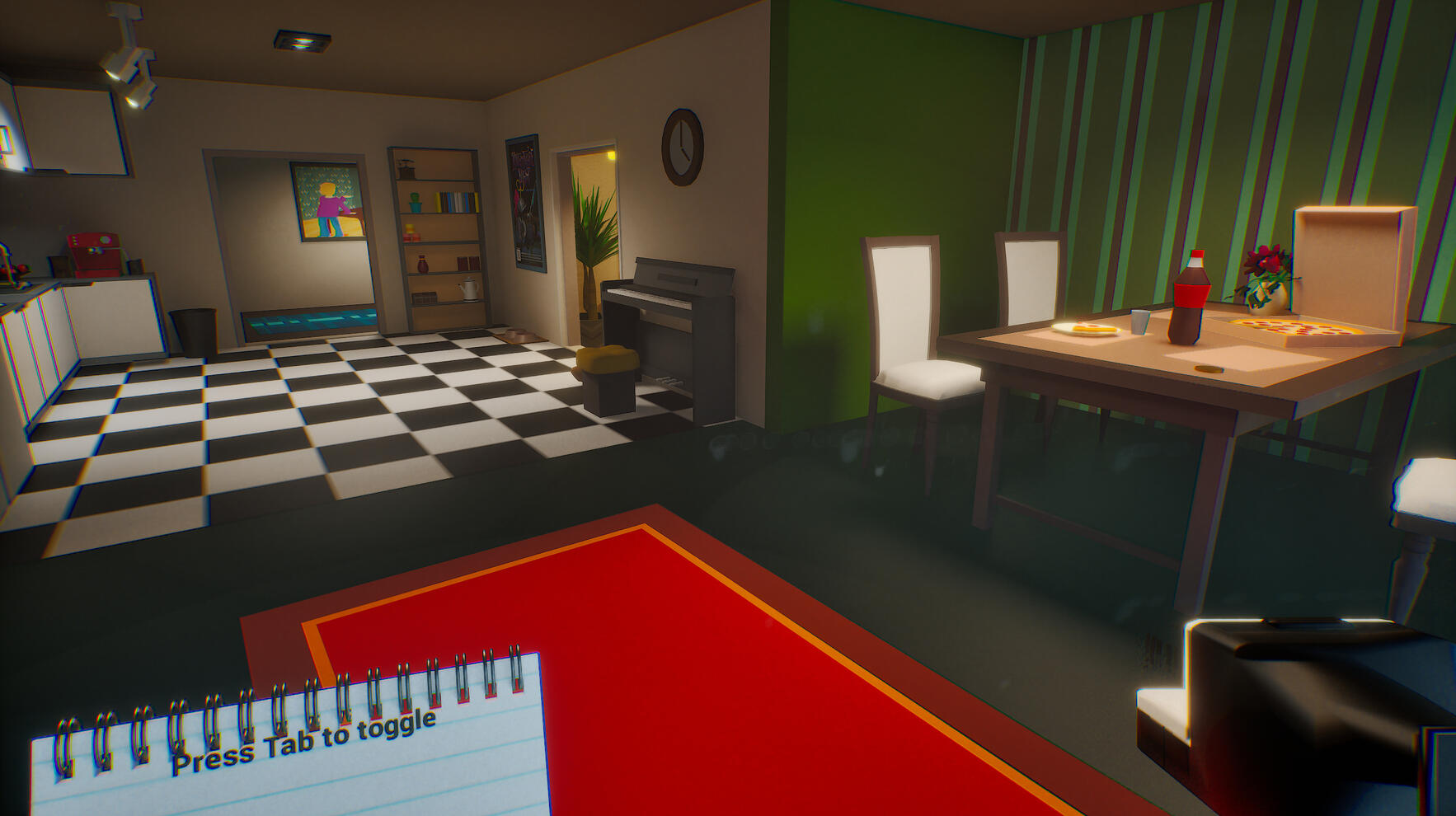
Something's Off (2025)At first the designers had two weeks to come up with two functional prototypes, where this was the second idea. After that the programmers joined us and we got to work finishing it over the course of four weeks.
During the prototyping I implemented a base class for all the anomalies and a few examples we could use in the prototype level.
During production I got elected to keep the vision of the game and have a last say in how the project would evolve. Aside from keeping feature creep in check my main areas of responsibility were to make more anomalies and supporting our designers in case they needed technical assistance with features.
Towards the end I also worked on the progression system between levels.
Engine: Unreal Engine 5
Role: Technical and System Design
Team size: 18
Duration: 7 weeks
Team composition: designers, programmers, artists, UI/UX, VFX, Musician, QA, Producers
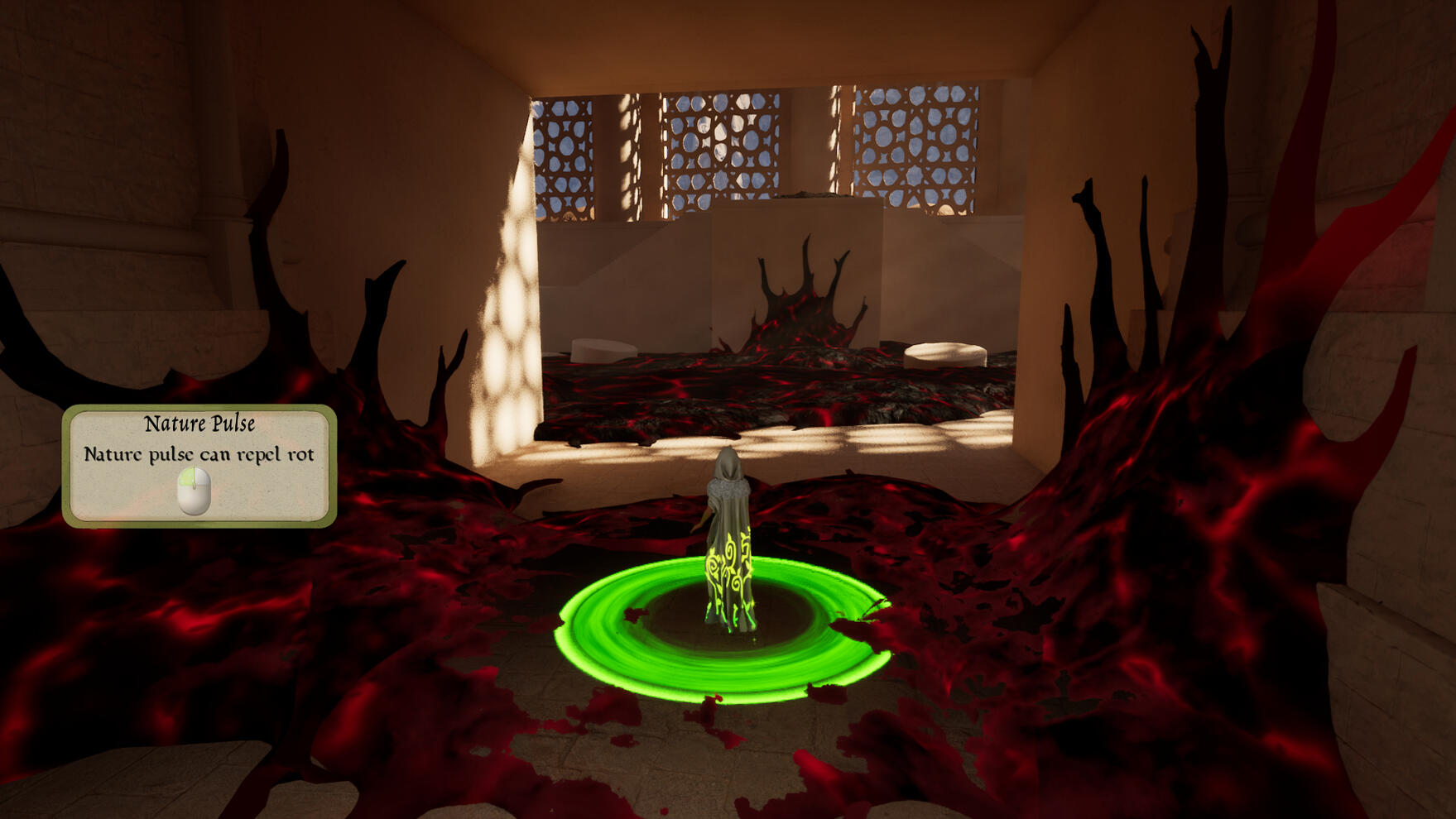
The Last Branch (2025)My main areas of concern in this project were to design and implement some technical features that were deemed to not be important enough to dedicate one of our few programmers to, and to assist our level designer if they needed help with some implementation.
My main features were the nature pulse (green ring pictured) that functioned as the primary way to interact with the environment and the environmental tools and obstacles.
Programming
Engine: Unreal Engine 5
Role: Gameplay programmer, system designer/programmer
Team size: 7
Duration: 2+4 weeks
Team composition: programmers, designers
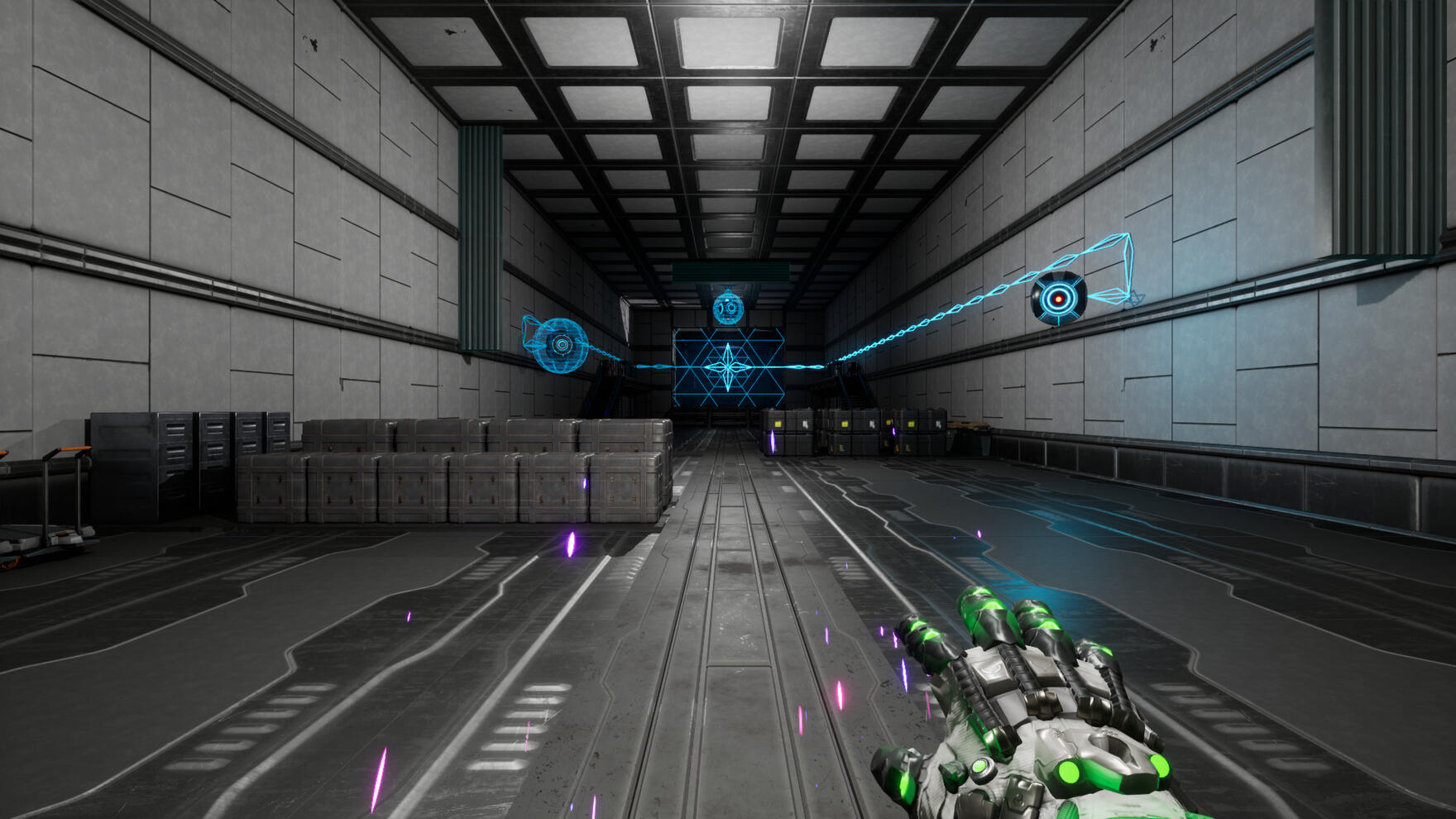
Gravitum (2022)First we got two weeks to come up with two prototypes and we decided to split the group and work on both in parallel, where I worked on one of the features in what would become Gravitum. My contribution was a mechanic that would let you walk on walls and the ceiling by manipulating the player's own gravity.
After that I made a small mission system to give hints to the player on what to do next, a respawn system and general requests from the designers.
Unity
Role: Gameplay programmer, system programmer
Team size: 12
Duration: 4 weeks
Team composition: programmers, designers, artists, project managers, quality assurance
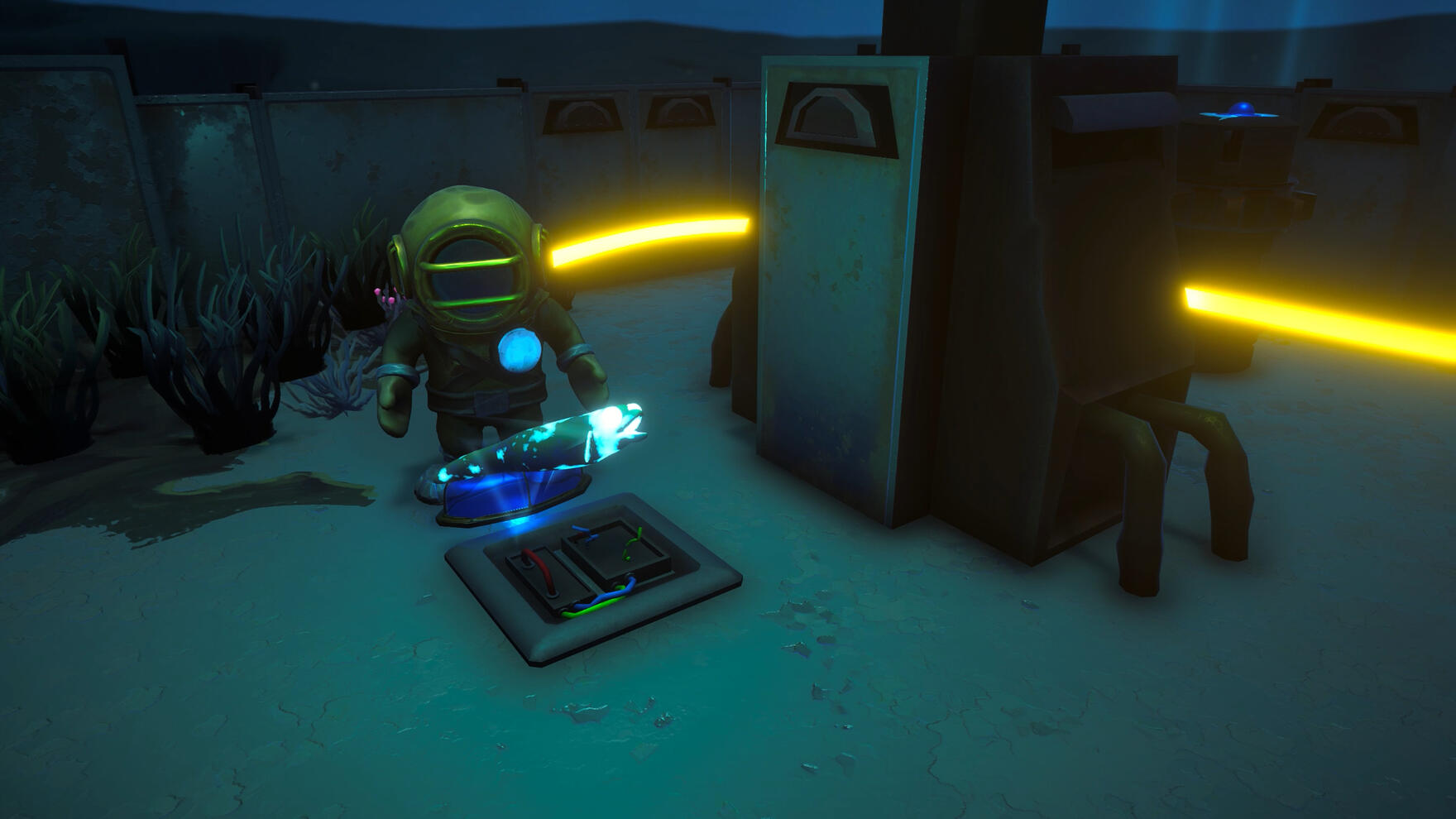
Underline (2022)My main area during this project was to set up the different ways to unlock the doors and how to close them again. There's three kinds of switches for the player to interact with: levers, keys and "turbines". To activate the turbines the player has to wind them up by laying their oxygen line around them and then rewind, basically winding them up for a short while. All switches are connected to a timer that disconnects them after a delay, forcing the player to execute the puzzle with a time constraint.
Aside from that I also set up the basic controls, AudioManager and a communication system between the switches and the doors, the latter being completely rewritten in the latter half of the project due to an unforeseen glitch.
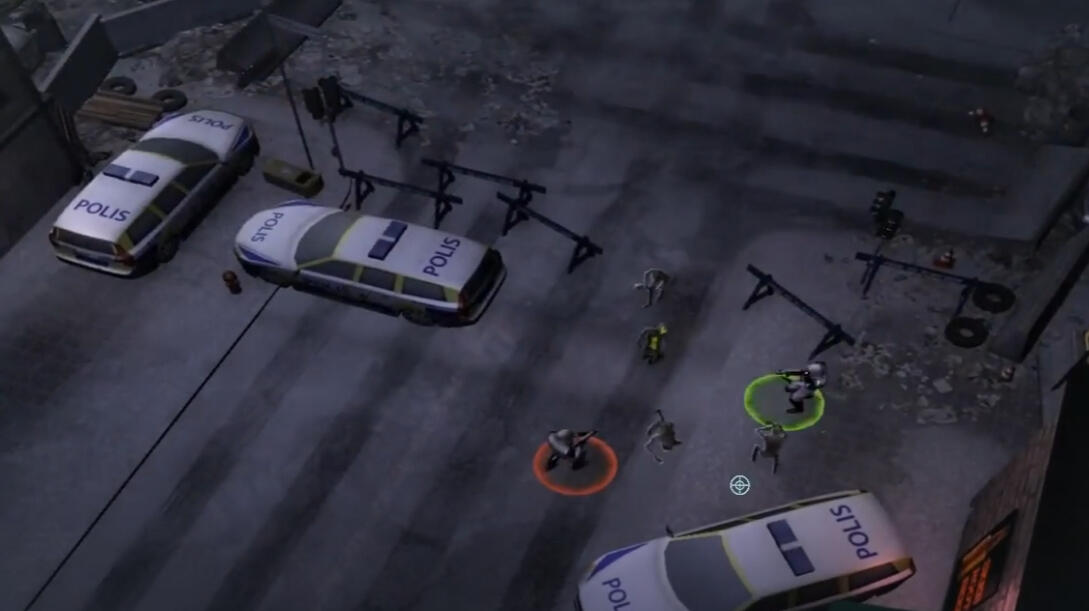
Engine: Nebula 3
Role: AI design & programmer, limited network programmer and engine triage
Team size: 10
Duration: aprox. 10 weeks
Team composition: programmers, artists
Caestus (2014)Since the game is mostly lost to time at this point, I'll just introduce it shortly. It's a 1v1-4 asymmetrical game somewhat similar to Dungeonland. Your goal is either to eliminate the heroes by summoning AI minions or as the heroes to fight your way through the gauntlet to the final boss encounter.For most of the project I worked with designing and implementing the two different AIs we used; one ranged, stationary support type and one melee swarmer type. Aside from that I also implemented a file reader so we could reload scriptable values in real-time and also help the artists to place objects dynamically into the scene.